The Ultimate Blueprint for Crafting Your Dream Home Studio: A Musician’s Journey from Concept to Creation
In an era where creativity knows no bounds, setting up a home studio has become the ultimate playground for aspiring and seasoned musicians alike. Whether you’re producing beats in the comfort of your bedroom or recording intricate compositions, the right setup can transform any space into a sanctuary of sound.
This guide delves deep into every aspect of creating a functional, inspiring, and high-quality home studio tailored specifically for the needs of electronic music producers and enthusiasts who frequent platforms like ElectronicMusicMall. From choosing the perfect location within your living space to selecting top-tier equipment, we’ll walk through each step necessary to turn your vision into reality.
Selecting the Perfect Space: The Foundation of Your Musical Sanctuary
Your first task when embarking on building a home studio is identifying the ideal room within your residence. This decision isn’t merely logistical; it significantly impacts both your workflow efficiency and overall creative output.
A dedicated room offers unparalleled advantages over repurposing areas such as basements or attics. It provides better control over acoustics, reduces interference from household noise, and allows for customization according to your personal preferences and requirements.
If dedicating a full room proves impractical due to spatial constraints or budget limitations, consider converting underutilized corners or even closet spaces into mini-studio environments. These compact setups often serve well for basic production tasks while maintaining flexibility for other uses during non-working hours.
- Acoustic Considerations: Look for rooms with minimal echo and natural damping properties—think carpeted floors, soft furnishings, and thick walls which help absorb unwanted reverberation.
- Proximity to Utilities: Ensure easy access to electrical outlets, internet connectivity, and possibly HVAC systems without compromising aesthetics or functionality.
Remember that lighting also plays a crucial role in shaping mood and productivity levels. Natural light enhances concentration whereas warm LED strips create ambiance conducive towards late-night sessions without straining eyesight.
Ultimately, prioritize accessibility above all else since frequent movement between workspaces might disrupt flow patterns essential for sustained inspiration periods.
Essential Components Every Home Studio Should Include
To ensure optimal performance from your new musical haven, certain fundamental elements must be present regardless of size or complexity level. These core components form what many professionals refer to as ‘the holy trinity’ of successful audio production environments.
At minimum, three primary items constitute this foundation: a reliable computer running appropriate DAW software, quality monitoring speakers capable of accurate frequency reproduction across all ranges, and a set of headphones designed explicitly for critical listening scenarios involving mixdown processes.
Musicians often overlook how these basics interact synergistically yet independently contribute toward achieving professional-grade results at home settings. For instance, mismatched monitor speakers could lead misleading interpretations regarding tonal balance unless paired correctly with suitable amplification sources.
Beyond these essentials lies additional hardware worth considering depending upon individual goals ranging from simple beat-making exercises using MIDI controllers alone through advanced multi-track recordings requiring external interfaces alongside microphone arrays.
Finding the Right Computer Configuration
Selecting a powerful enough machine forms one of most pivotal decisions impacting long-term satisfaction with home studios. Modern digital audio workstation applications demand substantial processing power particularly when working simultaneously with numerous virtual instruments plugins and effects chains.
While specifications vary widely based on intended usage levels—from casual experimentation via mobile devices upwards toward commercial grade rigging configurations—it remains wise investing initially into mid-range laptops equipped with latest generation processors coupled with ample RAM capacities exceeding eight gigabytes ideally twelve GBs minimum.
Operating system compatibility presents another factor worthy noting especially given cross-platform nature inherent among contemporary software ecosystems. Windows-based machines typically offer broader support for various plugin formats compared alternatives however Macintosh versions remain favored amongst audiophiles preferring tighter integration features offered native macOS frameworks.
Storage capacity shouldn’t get neglected either considering growing file sizes associated with session projects containing hundreds tracks plus extensive sample libraries occupying terabytes storage space easily attainable nowadays thanks cloud solutions still preferred locally stored drives providing faster read/write speeds imperative real-time rendering operations.
Choosing Quality Audio Interfaces & Microphones for Precision Sound Capture
No matter whether focusing solely upon synthesizer-based productions devoid vocal inputs or aiming complete albums featuring live instrumentation, acquiring superior interface units becomes indispensable element enabling seamless connection between physical gear peripherals connected computers facilitating pristine signal transfers free distortion artifacts.
Different types exist catering varied purposes including USB bus-powered models suited beginners looking cost-effective entry points versus higher-end Thunderbolt-enabled variants delivering ultra-low latency responses crucial mastering engineers demanding absolute accuracy temporal resolutions.
Microphone selection parallels importance thereof bearing direct correlation towards fidelity achieved recordings made inside confines limited acoustic conditions typical domestic environments contrast starkly against treated control rooms found commercial facilities worldwide.
Condenser mics excel capturing nuances delicate transients making them go-to choice voiceover work instrument close-miking situations meanwhile dynamic varieties prove ruggedness handling loud sources without risk overload damage ensuring longevity despite rigorous use cycles common producers undergoing intense workflows daily basis.
Careful evaluation parameters like polar patterns sensitivity impedance matching requirements compatible preamps available onboard chosen interface unit before purchasing ensures harmonious operation preventing potential issues miscommunication signals leading compromised sonic integrity ultimately reflected final mixes released public domains.
Optimizing Acoustics Through Strategic Room Treatments
Regardless technical prowess possessed regarding equipment selections, inadequate treatment surfaces will always undermine efforts striving achieve balanced sound reproduction throughout entire audible spectrum spanning twenty hertz upper limits human hearing capabilities.
Basic treatments usually sufficient initial stages involve placement foam panels strategically positioned wall corners ceiling areas reducing standing waves caused parallel planes contributing uneven distribution frequencies resulting boomy bass response problematic low end clarity essential precise mixing sessions.
More sophisticated approaches incorporate diffusive materials scattering reflections evenly rather than absorbing completely thereby preserving spacious characteristics desirable ambient textures desired certain genres electronic music production fields especially ambient house techno styles emphasizing atmosphere creation beyond mere isolation source sounds.
Investigating existing literature resources online communities forums populated experts sharing experiences installations could provide invaluable guidance tailoring bespoke solutions fitting particular dimensions architectural peculiarities specific room selected earlier phases project development cycle.
Regular maintenance checks recommended periodic intervals replacing worn-out absorptive elements replenishing damaged diffusion grids guarantee consistent acoustic environment supporting prolonged periods uninterrupted creative activities devoid distractions arising degraded monitoring conditions.
Setting Up Effective Monitoring Systems for Accurate Listening
Having invested considerable effort optimizing room characteristics now comes time addressing arguably most vital component influencing outcomes every session undertaken within newly established workspace namely speaker configuration choices determining reliability feedback received during critical evaluation phases.
Monitoring speakers must exhibit flat frequency response curves ensuring neither exaggerated nor suppressed regions across entire bandwidth allowing faithful representation original material being processed irrespective genre style pursued within discipline electronic music composition realm.
Placement considerations equally significant positioning pairs equidistant listener’s ears forming triangle formation relative sweet spot maximizing stereo imaging precision localizing spatial cues accurately replicating immersive experiences expected listeners consuming finished products globally distributed channels.
Supplementary tools augmenting base system include subwoofers extending low-frequency range below standard cabinet capabilities offering deeper rumble necessary heavy bass laden tracks characteristic EDM festivals club environments where audiences anticipate visceral physical sensations aligned rhythms pounding heartbeats pulsating through bodies.
Calibration routines utilizing built-in measurement suites provided manufacturers coupled third-party calibration apps assist aligning phase relationships compensating irregularities introduced by room shape furniture arrangements ensuring uniformity consistency across different listening positions within same space.
Leveraging Software Tools to Enhance Creative Potential
With foundational infrastructure laid out physically tangible assets now shift attention intangible but equally impactful forces governing modern music production landscape namely digital audio workstations serving central nervous systems orchestrating complex interactions multitude plugins VSTs AU instruments effects processors arranged flexible timelines.
DAWs encompass diverse offerings varying degrees specialization features geared towards distinct niches within industry although general-purpose programs remain popular choices accommodating wide-ranging functions from sequencing loops through orchestration scores incorporating automation envelopes modulation routings crafting intricate layered arrangements synonymous signature soundscapes electronic music scene today.
Plugins represent another cornerstone expanding possibilities available creators accessing vast repositories hosted online marketplaces including those affiliated closely ElectronicMusicMall itself offering curated collections vetted experts ensuring quality assurance standards met minimizing risks encountering unstable code crashes corrupt data files jeopardizing progress saved precious hours labor invested refining artistic expressions.
Synthesizers stand prominent category within arsenal utilized generating timbres textures defining identities artists distinguishing themselves crowded competitive marketplace constantly evolving trends shaped influences emerging technologies reshaping paradigms traditional notions composition performance execution.
Automation capabilities embedded virtually all current-generation DAWs facilitate nuanced adjustments dynamics panning volume automation further fine-tuning aspects otherwise difficult manage manually enhancing expressiveness performances adding subtle variations elevating emotional impact conveyed through musical narratives crafted digital canvas limitless potential imagination unleashed.
Organizational Strategies for Maximizing Productivity & Inspiration
As your home studio evolves beyond its initial stages, effective organization becomes paramount not only for practical reasons but also as a catalyst for enhanced creativity and motivation. A cluttered workspace can stifle inspiration, while a thoughtfully organized area fosters focus and innovation.
Implementing structured filing systems for both digital and physical assets helps maintain order amidst the chaos of musical creation. Digital folders categorized by project type, song titles, and session dates streamline retrieval processes, saving valuable time otherwise spent searching for misplaced files or samples.
Physical organization extends to arranging equipment logically around the room. Position frequently used tools within arm’s reach, designating clear zones for different tasks such as mixing, composing, or performing. This intentional layout minimizes disruptions and maintains momentum during productive sessions.
Introducing visual elements like color-coded cables or labeled storage containers adds an extra layer of organization that makes navigating your studio intuitive. These small touches reduce cognitive load, allowing you to concentrate fully on the creative process rather than deciphering tangled wires or disorganized shelves.
Establishing routines for cleaning and tidying up after sessions reinforces good habits, preventing accumulation of mess that can detract from the studio’s aesthetic appeal and functionality. Regular maintenance of your workspace contributes positively to both mental well-being and operational efficiency.
Creating an Inspiring Environment That Fuels Creativity
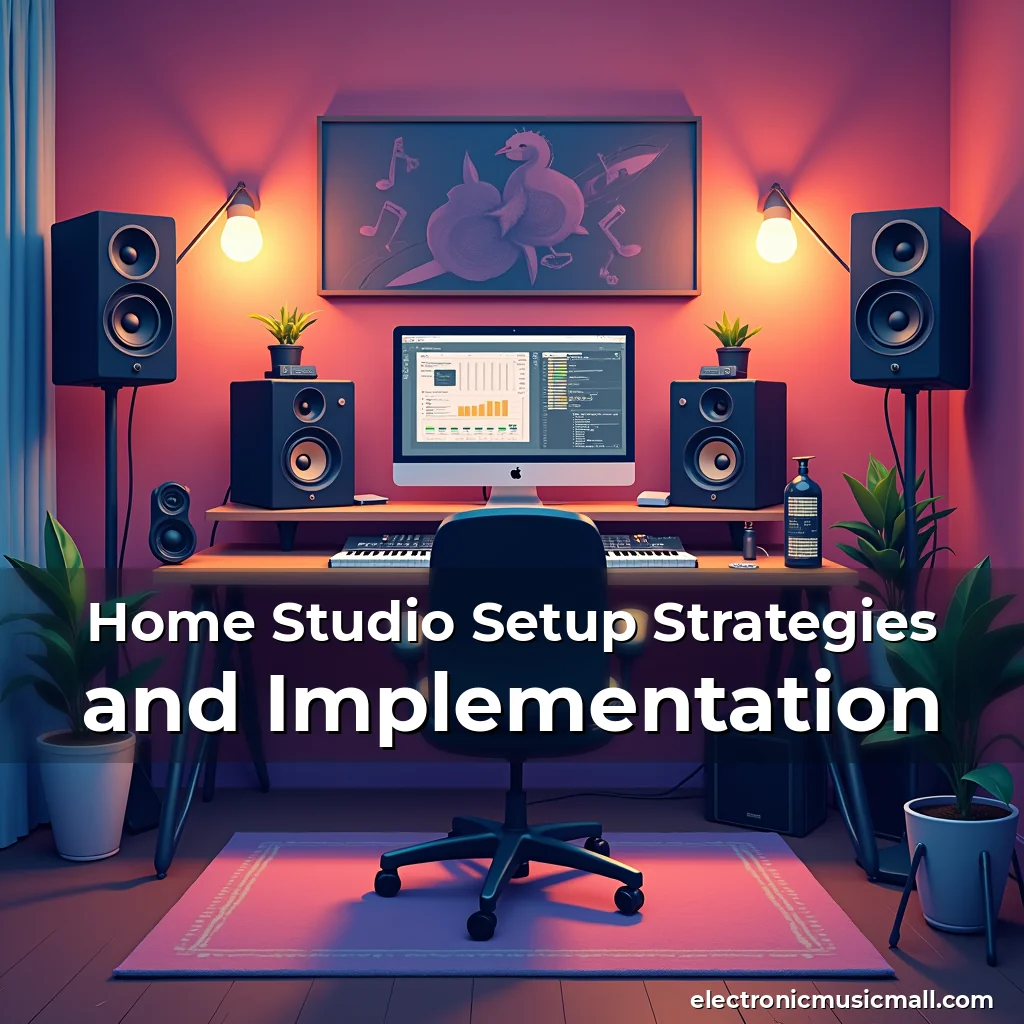
Designing a home studio goes beyond technical specifications; it involves cultivating an environment that nurtures creativity and sustains long-term engagement. The psychological aspects of your workspace play a significant role in how motivated and inspired you feel during production sessions.
Personalizing your studio with artwork, photographs, or motivational quotes creates a sense of ownership and belonging. Surrounding yourself with visuals that resonate with your artistic identity can boost confidence and drive, transforming the space into a true reflection of your personality and aspirations.
Lighting is another key factor that affects mood and energy levels. Adjustable overhead lights combined with warm desk lamps allow you to customize illumination according to the task at hand, whether it’s focused concentration or relaxed brainstorming. Proper lighting prevents eye strain and promotes alertness throughout extended working hours.
Comfortable seating and ergonomic accessories are essential for maintaining health and productivity. Investing in a supportive chair and adjustable tables ensures that you can work comfortably for hours without experiencing fatigue or discomfort, which can hinder your ability to produce consistently great music.
Additionally, integrating greenery or natural elements into your studio design introduces life and vitality into the space. Plants not only enhance air quality but also add a calming presence that encourages relaxation and inspiration, making your studio a place where ideas flourish effortlessly.
Embracing Community Resources & Continuous Learning Opportunities
Building a home studio is not just about assembling equipment; it’s also about becoming part of a vibrant community of fellow musicians and producers. Engaging with others through online forums, social media groups, and local meetups provides opportunities for collaboration, learning, and mutual encouragement.
Platforms like ElectronicMusicMall host active discussion boards where users share tips, troubleshoot problems, and showcase their work. Participating in these conversations exposes you to diverse perspectives and techniques, broadening your understanding of music production practices and fostering connections that may lead to future collaborations or mentorship opportunities.
Workshops and masterclasses conducted by experienced professionals offer hands-on training that complements theoretical knowledge gained from books or tutorials. Attending these events regularly keeps you updated on the latest developments in technology and production methodologies, ensuring that your skills stay relevant in an ever-evolving field.
Furthermore, joining local music organizations or attending open mic nights creates networking possibilities with peers who share similar interests and ambitions. These interactions can spark new ideas, inspire fresh directions in your music, and build lasting friendships rooted in shared passion for the craft.
Lastly, subscribing to newsletters or following influential figures on social media platforms delivers curated content highlighting industry news, upcoming events, and innovative trends shaping the future of electronic music. Staying informed empowers you to make informed decisions regarding upgrades, investments, and strategic moves aimed at advancing your career or hobby sustainably over time.
Conclusion
From selecting the perfect space to organizing your environment effectively, every element discussed contributes toward establishing a thriving home studio tailored precisely to your unique needs as an electronic musician engaged deeply within ElectronicMusicMall ecosystem.
By carefully evaluating each component—from acoustic treatment options through software tool selections—you lay groundwork capable sustaining prolific output continuously evolving repertoire reflecting growth journey embarked upon entering world professional-level music creation accessible doorstep anyone passionate pursuing artistry through synthesized tones rhythmic pulses electrifying vibrations echoing chambers constructed purposeful intentionality expressed creatively liberated boundaries conventional studios imposing constraints limiting exploration horizons uncharted territories awaiting discovery.

news is a contributor at Electronic Music Mall. We are committed to providing well-researched, accurate, and valuable content to our readers.