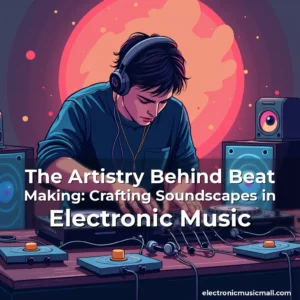
With the help of video tutorials and interactive exercises, students can develop their skills and produce their own tracks.
How Timbaland’s Masterclass Works
To get started with Timbaland’s Masterclass, students need to create an account and enroll in the course. Once enrolled, they can access the library of video lessons and tutorials. Each lesson is designed to teach a specific skill or technique, such as beat-making, layering sounds, and arranging songs. Students can watch the video lessons, complete the interactive exercises, and then apply their new skills to create their own tracks.
Real-Life Applications of Timbaland’s Masterclass
Timbaland’s Masterclass is not just for aspiring music producers; it can also be beneficial for those who want to improve their skills or learn new techniques. For example, a DJ who wants to create their own beats can use the skills learned in Timbaland’s Masterclass to create unique and engaging tracks.
edX: Music Production Fundamentals by Berklee College of Music offers a comprehensive introduction to music production, covering topics such as recording, editing, and mixing.
Coursera: Music Production by Berklee College of Music is a more advanced course that focuses on the practical application of music production techniques. Students learn how to record, mix, and edit music using real-world techniques, including how to use plugins and effects to enhance their sound. The course covers topics such as:
Comprehensive Music Production Fundamentals
edX: Music Production Fundamentals by Berklee College of Music offers a comprehensive introduction to music production, covering topics such as recording, editing, and mixing.
Here’s a closer look at the course.
What You’ll Learn
In the Audio Production Techniques course, you’ll learn the fundamental skills required to produce high-quality recordings. The course is designed to take you from the basics of audio recording and editing to more advanced techniques for mixing and mastering audio. • You’ll learn how to set up and use popular DAWs like Ableton Live and Logic Pro X*
Advanced Techniques
The course also covers advanced techniques for mixing and mastering audio. You’ll learn how to use EQ, compression, and other effects to enhance your audio and create a professional-sounding mix.
The school’s focus on community and collaboration is evident in its workshops and events.
Several online music schools and platforms have emerged in recent years, offering a range of courses and programs. Some of the key players in online music education include:
One of the key aspects of online music education is the importance of community and collaboration.
ing into manageable chunks, allowing users to progress at their own pace.
Comprehensive Curriculum
Sonic Academy offers a wide range of lessons and courses that cater to both beginners and experienced producers. The platform’s comprehensive curriculum covers various aspects of music production, including sound design, synthesis, arrangement, and mixing. • Sound design and synthesis are fundamental skills for any music producer, and Sonic Academy provides in-depth lessons on these topics. • The platform also covers advanced techniques such as beat-making, melody composition, and vocal processing. • Lessons are structured to break down complex concepts into manageable chunks, allowing users to progress at their own pace.
Engaging and Interactive
Sonic Academy’s interactive learning environment is designed to engage and motivate users. The platform features a range of interactive tools and exercises that help users develop their skills and build confidence. • Interactive lessons and exercises allow users to practice and apply their knowledge in a hands-on environment. • The platform also includes a community forum where users can connect with other producers, share their work, and get feedback.
Music production is a creative process that involves the transformation of raw sounds into a cohesive and engaging audio experience. It requires a combination of technical skills, artistic vision, and emotional intelligence.
Technical Skills
Music production requires a range of technical skills, including proficiency in digital audio workstations (DAWs), sound design, and mixing. Producers and artists must be able to navigate the technical aspects of music production, such as setting up tracks, recording instruments, and editing audio.

news is a contributor at Electronic Music Mall. We are committed to providing well-researched, accurate, and valuable content to our readers.